Build a trip that fits your time
For a first week, Rome and Florence with a smaller day trip leave more breathing room than five hotel changes. Add Venice if you have enough days for the journey and a proper stay. In the south, Naples and Sorrento work together, while Puglia and Sicily deserve their own travel time. A map can make two coastal towns look close even when the road or ferry takes much of the morning.
Our Rome, Florence and Venice guides explain how to put the main visits together. For quieter days between cities, compare Tuscany, Lake Como and a single base in the Dolomites.
Understand the train ticket you are buying
A Frecciarossa or Italo booking normally ties you to a particular train and reserved seat. The cheapest fare may restrict changes. Regional trains are useful for shorter trips, but the ticket format matters: Trenitalia's Digital Regionale activates automatically at the selected departure, while a paper regional ticket needs validation before boarding. Change a digital departure before it activates if your plans change. See the Italian rail guide and Trenitalia's ticket instructions.
Some local railways have separate operators and tickets. This matters particularly for Bari–Matera and Naples–Sorrento. Choose the station shown on the actual booking, rather than assuming every train leaves from the same platforms.
Book the visits that shape the day
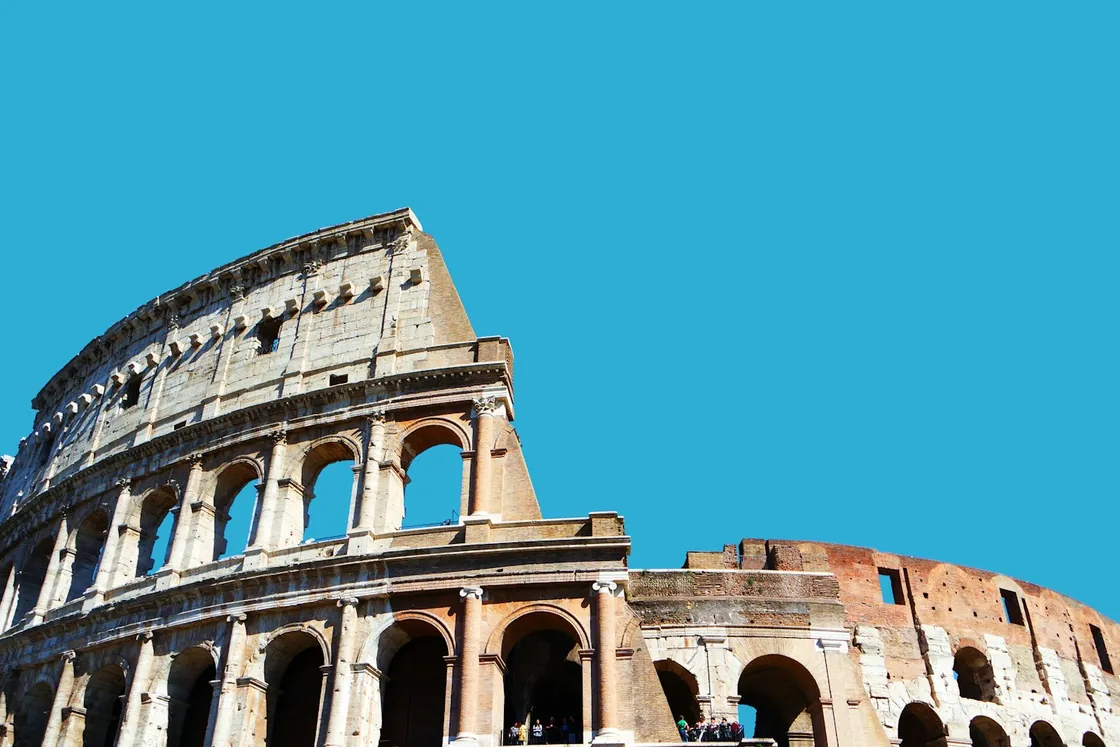
Choose your Colosseum, Vatican Museums or Uffizi slot before arranging the rest of that day. Official museum sites explain which rooms and extras each ticket includes. A reservation can avoid the ticket-purchase queue, but security checks still take time. Keep churches and museums as separate bookings when they have different entrances.
Coastal hiking and mountain transport need their own checks. The Cinque Terre cards vary by date and require a reserved slot for the Via dell'Amore. Around Tre Cime, the shuttle and toll road use advance reservations. On the Amalfi Coast, arrange the return journey before starting a walk.
Use a budget you can adjust
The spending examples on our city pages are chosen allowances for accommodation, meals, local travel and visits. They are not hotel offers or measured average prices. Replace the stay amount with your full booking cost, including local tax and cleaning. A private-room amount buys a whole room; a dorm amount buys one bed.
Add intercity tickets and airport transfers separately. For food, a bakery lunch can leave room for a sit-down dinner, but check the displayed price, cover charge and what is included before ordering. No region or restaurant style guarantees a bargain.
Match the season to the trip
Spring and autumn can suit city walks, but school holidays and events still affect prices. August brings heat and the Ferragosto holiday on 15 August; individual restaurants and services may change their hours. Mountain huts and lifts follow their own seasons, and a sunny day in the valley does not tell you whether a high trail is clear. Plan around the activity you want, with an easier alternative if the weather changes.